988 vs. 911: Which to Call and When in a Crisis
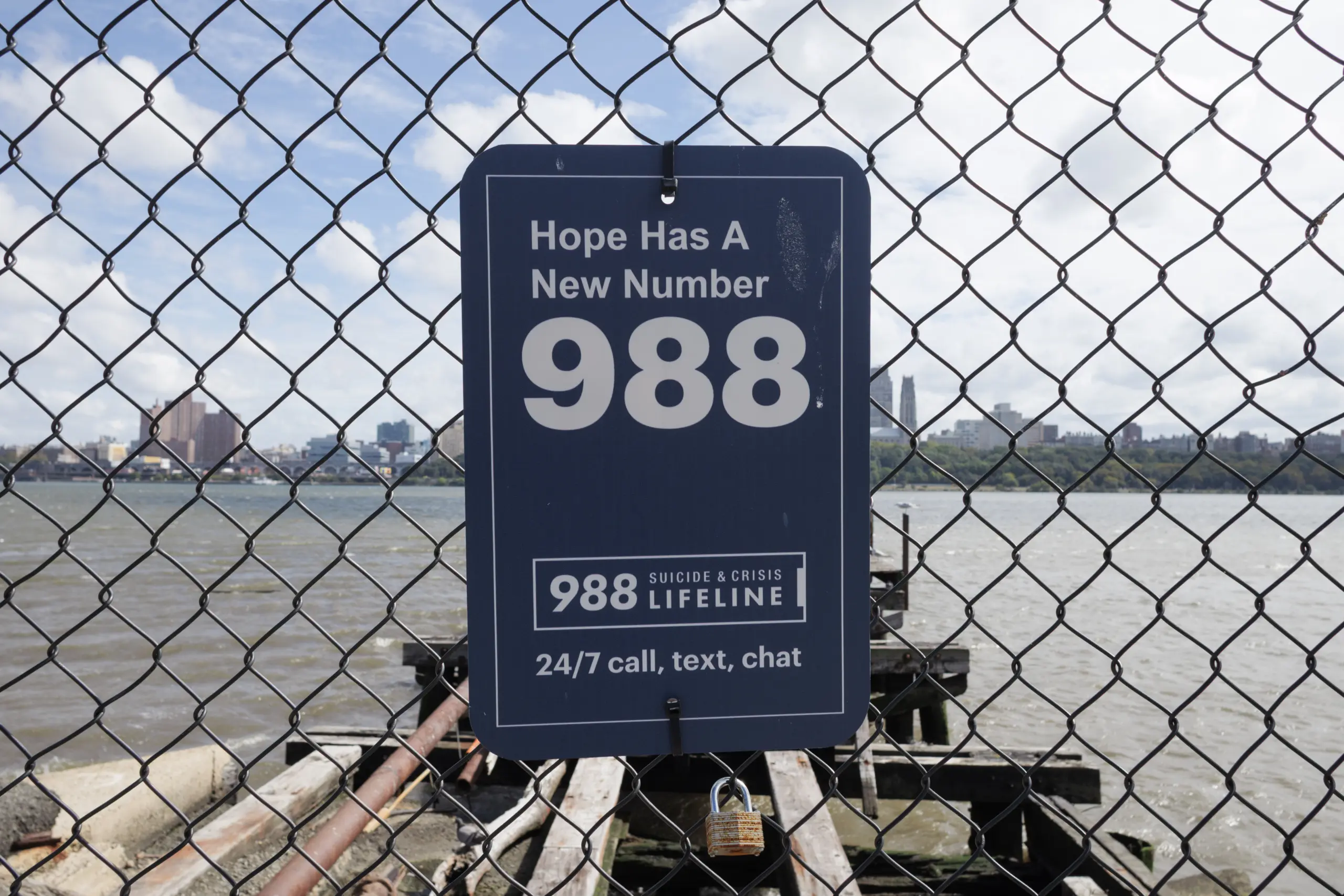
When someone you love is hurting, or when your own thoughts feel like too much to carry, knowing who to call can bring relief in a frightening moment. Two numbers can help: 988 and 911. Both save lives. They just serve different needs.
Call 988 to reach the Suicide and Crisis Lifeline when you or a loved one needs emotional support, counseling or help through suicidal thoughts, grief or distress. Call 911 when there’s a medical emergency or someone’s life is in immediate danger, such as active self-harm or a threat to another person’s safety.
A mental health crisis can look like many things. It might be a sudden wave of hopelessness, worsening symptoms or a moment where safety feels uncertain. In those moments, you shouldn’t have to guess which emergency phone numbers to dial.
This guide can help you tell the difference between 988 and 911, understand what each service offers and feel more prepared to act when it counts. You’ll also learn how crisis support connects to longer-term mental healthcare.
What is a mental health crisis?
A mental health crisis is any situation where a person’s emotions, thoughts or behaviors put them at risk of harm or make it hard to function or stay safe. It doesn’t always involve physical danger.
Crises can look different from person to person. Some common signs include:
- Suicidal thoughts: Thinking about ending your life or making plans to do so.
- Severe emotional distress: Feeling panicked, hopeless or unable to cope.
- Worsening symptoms: A noticeable increase in anxiety, depression or other mental health concerns.
- Risk to safety: Behavior that could lead to harm for yourself or someone else.
Naming what you’re going through is a first step. From there, choosing the right resource becomes easier.
Understanding 988: the Suicide and Crisis Lifeline
988 is the mental health crisis line for the United States. It connects you to the Suicide and Crisis Lifeline, a free and confidential service staffed by trained counselors. You can call or text 988 any time, day or night.
According to the Substance Abuse and Mental Health Services Administration, the 988 Suicide and Crisis Lifeline provides 24/7 support for people in emotional distress or suicidal crisis.
When to call the suicide hotline at 988
988 can help when you’re facing emotional pain rather than a medical emergency. Reach out when you’re experiencing:
- Suicidal thoughts or ideation: Thinking about suicide, even if you’re unsure how you feel.
- Emotional distress: Anxiety, sadness or feelings of being overwhelmed.
- Substance use concerns: Worries about your own use or a loved one’s.
- Grief and loss: Coping with the death of someone close to you.
- Loneliness or isolation: Needing someone to talk to when you feel alone.
Benefits of calling 988
Calling 988 can feel like a gentler first step than heading to an emergency room. Here’s what the service offers:
- Trained counselors: You’ll speak with someone who understands crisis support and mental health.
- 24/7 availability: Help is there whenever you need it, including nights, weekends and holidays.
- No ER visit required: Many concerns can be addressed over the phone or by text.
- Local connections: Counselors can link you to nearby resources and ongoing support.
988 isn’t only for the person in crisis. If you’re worried about a loved one, you can call for guidance too.
Understanding 911: emergency medical services
911 is the number to call when a situation becomes a medical emergency or a life is in immediate danger. Emergency responders can provide fast, in-person help when every minute matters.
When to call 911 for a mental health emergency
Some situations need more than a phone conversation. Call 911 when you notice:
- Active self-harm: Someone is hurting themselves or has attempted suicide.
- Imminent danger: A person is threatening to harm themselves or others right now.
- Severe mental health symptoms: Signs like a break from reality, extreme agitation or unconsciousness.
- Medical injury: Any injury that needs urgent medical attention.
What to expect when you call 911
When you call 911 during a mental health emergency, tell the dispatcher it’s a mental health situation. Share what’s happening, where you are and whether weapons or medications are involved.
This information helps responders arrive prepared. Some areas also have crisis intervention teams trained to support people experiencing mental health emergencies.
Choosing between 988 and 911: a simple decision guide
When you’re in the middle of a crisis, clear thinking can be hard. A few questions can help you decide.
Ask yourself:
- Is anyone’s life in immediate danger? If yes, call 911. If not, 988 may be the better fit.
- Is there a physical injury or medical emergency? If yes, call 911.
- Do you mainly need someone to talk to or emotional support? If yes, call 988.
- Are you unsure but scared? Trust your instincts. Either number can help point you in the right direction.
Here are a few examples to make it clearer:
- Better suited for 988: You’re feeling hopeless after a loss and need to talk. A friend is struggling with anxiety and wants support. You’re having passive thoughts of suicide but aren’t in danger right now.
- Better suited for 911: Someone has taken an overdose. A person is actively trying to harm themselves. There’s an immediate threat to someone’s safety.
If you can’t tell which to call, it’s okay. Reaching out for any kind of help is a courageous step.
How 988 and 911 connect to ongoing care
Crisis support is often the beginning, not the end, of getting help. Both 988 and 911 can connect you to the next level of care.
Mental health treatment tends to follow a series of steps, each offering a different amount of support:
- Crisis intervention: Short-term help during an emergency, like a 988 call or an ER visit.
- Inpatient care: Round-the-clock treatment in a hospital setting for people who need close support.
- Partial hospitalization: Structured daytime treatment without an overnight stay.
- Intensive outpatient programs: Regular therapy sessions while you continue living at home.
After a crisis, many people step down into less intensive care as they stabilize. This gradual approach helps you keep the progress you’ve made.
In Louisville, The Brook Hospitals offer inpatient, partial hospitalization and intensive outpatient levels of care for seniors, adults, adolescents and children. Providing quality mental health and substance use treatment since 1985, the two locations can meet people at different points in their recovery.
Intensive outpatient programs: stepping down from crisis care
After a crisis or a hospital stay, returning to daily life can feel uncertain. An intensive outpatient program, or IOP, can offer a supportive middle step.
An IOP provides structured therapy several days a week while you live at home and keep up with work, school or family. It gives you consistent support without requiring an overnight stay.
Adult IOP services often include:
- Group therapy: A safe space to connect with others facing similar concerns.
- Individual counseling: One-on-one sessions focused on your specific goals.
- Evidence-based approaches: Modalities such as Cognitive Behavioral Therapy and Dialectical Behavior Therapy.
- Skill building: Tools for managing stress, emotions and daily challenges.
An IOP may be a good fit when you no longer need inpatient care but still benefit from regular, focused support. It’s a way to keep building on your progress while easing back into routine.
Progress isn’t always about fixing everything at once. It’s about steady steps, even when things feel hard.
Resources and next steps
Knowing the difference between 988 and 911 can help you act with more confidence when it matters most:
- Call 988 for emotional support, counseling and crisis support when there’s no immediate physical danger.
- Call 911 for a medical emergency or when a life is in immediate danger.
Reaching out for help, whether for yourself or a loved one, is a meaningful step. You don’t have to have all the answers. Ongoing support can help you build stability and hope over time.
At The Brook Hospitals, the two Louisville locations offer behavioral health services across several levels of care, and outpatient assessments can be scheduled online. Together, we can help you find the next step toward healing.
If you would like to learn more about our programs, visit our website here, or if you need to reach us immediately, call us at 502-896-0495 to reach our Dupont location or 502-426-6380 to reach our KMI location. In a crisis, call 988 or go to the nearest ER.